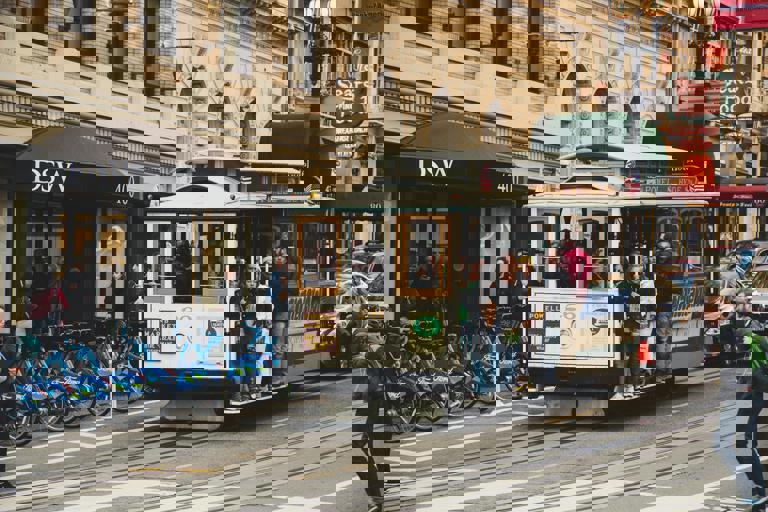
This weekend, Toronto bids farewell to a beloved piece of its urban landscape as an historic streetcar prepares to make its final scheduled journey through the heart of downtown. After decades of reliable service, crowds are expected to line the sidewalks, ready to catch one last glimpse—and ride—on the iconic streetcar that has transported generations of Torontonians. The event is being heralded as a significant milestone in the city’s transportation history, signaling the close of an era defined by clangor and nostalgia.
The iconic streetcar, known officially as the CLRV (Canadian Light Rail Vehicle), began rolling through the city’s streets in the late 1970s. For over forty years, this distinctive vehicle—with its red, white, and silver color scheme—has not only ferried commuters but also become ingrained in the city’s cultural fabric. Many longtime residents recall childhood trips joyfully spent clambering aboard, while newcomers quickly warmed to its old-fashioned charm. Its departure stirs a mix of gratitude and melancholy.
City transit officials have orchestrated a series of commemorative events to mark the final run, reflecting the streetcar’s importance not only as a conduit for mobility but as a symbol of Toronto’s urban identity. Special photo exhibitions, guided by transit historians, have sprung up along major stops, showcasing the evolution of the streetcar since its introduction. Local musicians and artists are also expected to turn out, transforming the day into a citywide celebration.
That celebration, however, comes tinged with a sense of loss for many. "There’s something magical about the clickety-clack and bright whistle," remarked Kathy Sherwood, a lifelong streetcar operator who will drive the final journey. "I've met people from all walks of life, all with their own streetcar memories." Sherwood described the experience as bittersweet, noting the privilege and sadness entwined in steering the last historic vehicle through downtown.
The streetcar’s retirement is part of a broader modernization initiative undertaken by the Toronto Transit Commission (TTC), which has invested heavily in newer, more accessible low-floor vehicles. According to TTC spokesperson Rajiv Nair, "The new streetcars are designed with enhanced accessibility features, energy efficiency, and increased capacity, representing a necessary step forward for our growing city." Nevertheless, Nair acknowledged the deep emotional ties many hold to the older vehicles.
For transit enthusiasts, the final trip promises a blend of reflection and revelry. Members of the Toronto Railway Historical Association have coordinated walking tours along the route, eager to share anecdotes and technical details about the streetcar’s design and operations. Vintage ticket stubs and early route maps, once tucked away in private collections, will be on display, providing insight into how public transit has shaped the rhythm of Toronto life.
As anticipation builds, local businesses along the streetcar’s path are joining in the festivities. Several cafes and restaurants have announced streetcar-themed specials—ranging from ‘CLRV commemorative pastries’ to custom brews named in honor of famous Toronto routes. The community spirit is palpable, with proprietors expressing both appreciation for the increased foot traffic and a desire to contribute to this collective farewell.
For some, the event also sparks debate about balancing heritage preservation with urban progress. "Toronto’s identity is layered, and transit is at its core," explained urban planner Amelia Chow. "While modern streetcars meet today’s needs, it’s essential we remember what we’re losing in terms of design, character, and social history." Her remarks reflect a broader public dialogue about preserving notable elements of the city’s past while making space for innovation.
City officials have assured residents that the legacy of the historic streetcar will endure through various archival projects. The Toronto Archives department is working closely with transportation agencies to digitize photographs, collect oral histories, and document the mechanical details of the soon-to-be-retired CLRV fleet. In addition, efforts are underway to preserve several vehicles in local museums, ensuring future generations can experience a tangible piece of this urban legacy.
Despite the impending farewell, the mood across Toronto is overwhelmingly celebratory. Local media outlets have been running retrospectives chronicling memorable moments and high-profile appearances involving the streetcars. Social media, too, has become a hub for remembrance, with users sharing photos, anecdotes, and artistic tributes tagged with #LastCLRV. The collective enthusiasm highlights just how integral the streetcar has been to both everyday routines and citywide occasions.
As the historic streetcar makes its last run, conductors, passengers, and bystanders alike will pause to reflect on the stories intertwined with its tracks. The clang of its bell, once a routine reminder of city life, will linger as a cherished memory after the streetcar pulls into its final stop. In closing this chapter, Toronto honors not only a mode of transport but a symbol of community connection, resilience, and enduring character.