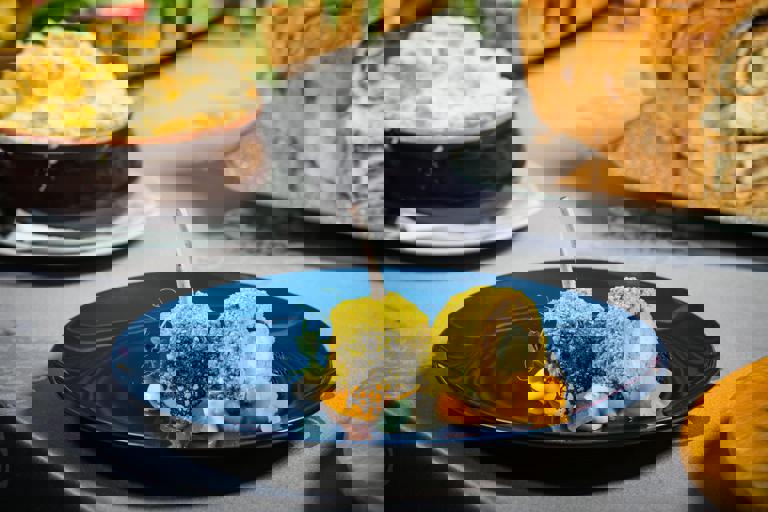
In the ever-evolving world of dining, a new phenomenon is capturing the imagination of adventurous food lovers: secret supper clubs. These clandestine gatherings, where exclusive menus are hosted by anonymous chefs in unconventional locations, have become the latest gastronomic trend. Foodies eager for novel experiences are trading predictable restaurant reservations for invitations to mysterious feasts that challenge both palate and expectation, signaling a fresh wave in Canada’s culinary scene.
Secret supper clubs intentionally skirt the traditional boundaries of the dining industry. Organizers select hidden or unexpected venues such as art galleries, abandoned warehouses, suburban backyards, and even residential rooftops. Invites are often sent via word of mouth or exclusive mailing lists, cultivating an air of secrecy and anticipation. This sense of adventure is central to the appeal, drawing diners who crave more than a typical restaurant setting.
A critical part of the allure stems from the element of surprise. Attendees might learn the event's location only hours before dinner, and the menu is rarely revealed in advance. Even the chef’s identity can be shrouded in mystery. “The magic lies in the unknown,” says Emma Liu, a frequent supper club guest. “Not knowing what’s next heightens every part of the experience.”
Behind the scenes, planning a secret supper club is an intricate endeavor. Chefs and hosts collaborate to finalize innovative menus—often highlighting local, seasonal ingredients—and scout venues that can be transformed for a single night. Logistics such as temporary kitchen setups, guest seating arrangements, and discreet guest communication must all be coordinated meticulously to preserve the clandestine nature of the meal.
Diners at these gatherings are not just patrons but participants in a shared culinary adventure. The intimate, communal tables encourage strangers to mingle and bond over their mutual curiosity and delight. One attendee described the atmosphere as “half dinner party, half theatrical performance,” with courses presented as narratives and chefs occasionally stepping out to explain the intent behind a dish.
The menus themselves are seldom orthodox. Chefs use the opportunity to experiment, offering multi-course tastings that might blend global cuisines or spotlight rarely used ingredients. Tasting formats allow for culinary creativity: smoked duck with Saskatoon berry glaze or vegan coconut ceviche served under a canopy of string lights. For many chefs, supper clubs are laboratories for innovation outside the constraints of restaurant kitchens.
Exclusivity drives much of the popularity. Seats are limited, and attending feels akin to being part of a privileged underground society. Social media posts, often shared only after the event, enhance the mystique and generate buzz. Guests relay stories of dining by candlelight in forgotten train stations or sampling amuse-bouches in art studios, further fueling the growing demand for these rarefied experiences.
Interest in these pop-up events has surged post-pandemic, as people increasingly seek out unique, memorable activities. According to a 2023 survey by a Canadian hospitality consultancy, nearly 35% of diners aged 25–45 said they would pay a premium for experiential dining. Supper clubs, with their blend of suspense and exclusivity, fit this desire perfectly, offering an antidote to routine meals and crowded food halls.
Chefs, both established and up-and-coming, see supper clubs as valuable platforms. “It’s an opportunity to connect directly with guests, tell stories, and test new ideas with instant feedback,” explains chef Carlos Mendes, who has participated in several pop-up dinners. He notes that the intimate nature allows for creative risks that might not appeal to mainstream clientele, often leading to new culinary discoveries.
However, these secret gatherings come with challenges. Permitting, food safety regulations, and the logistics of temporary venues require careful navigation. Organizers work closely with health inspectors and local authorities to ensure compliance, but the pop-up nature adds layers of complexity. The transient format also means that perfection is elusive, and flexibility is crucial—a factor that both excites and unnerves hosts and their teams.
Ultimately, the rise of secret supper clubs is reshaping the Canadian dining landscape by blurring the line between art, performance, and gastronomy. Each gathering offers a fleeting, one-of-a-kind experience that lingers in the memory long after the last course is served. As food culture continues to evolve, supper clubs invite diners to savor not just inventive dishes, but also the thrill of the unexpected, ensuring these covert feasts remain in high demand.