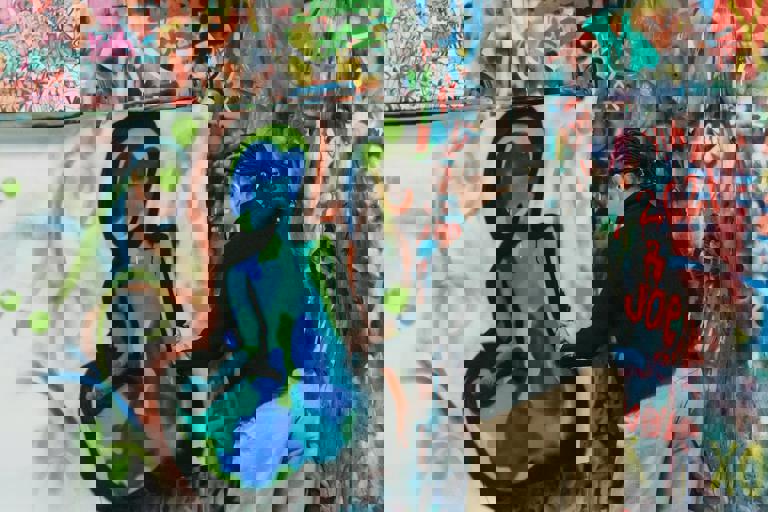
Urban landscapes are transforming as Indigenous artists boldly reclaim public spaces through colorful mural projects and thriving street art festivals. Across Canadian cities, vibrant pictorial narratives now dress concrete walls and underpasses, turning once-ignored surfaces into potent symbols of cultural affirmation and resilience. These public artworks not only beautify neighborhoods but also challenge passersby to recognize Indigenous presence in contemporary society, highlighting a living heritage that has too often been overlooked.
Recent years have seen an upsurge in initiatives supporting Indigenous artists in gaining visibility within the urban art scene. Partnerships between municipalities, local nonprofits, and Indigenous collectives are fundamentally shifting how public art is produced. Such programs intentionally prioritize Indigenous voices at all stages of mural projects—from conception to execution—ensuring authenticity and respectful representation. As a result, these collaborations are opening new dialogues about inclusion and reconciliation.
One of the most prominent impacts of these mural projects stems from their ability to spark community conversation. Each artwork often draws upon distinct Indigenous histories, languages, and symbolism, inviting both Indigenous and non-Indigenous viewers to engage with the stories embodied in the artwork. "Murals on these walls are more than just paint," says Cree artist Loretta Sinclair. "They’re beacons of our culture and an open invitation for dialogue."
The presence of Indigenous artists at street art festivals has likewise grown dramatically. Festivals offer a platform for live painting demonstrations, artist talks, and workshops that educate audiences about diverse Indigenous artistic traditions. Attendees not only witness mural creation in real time but also engage directly with artists, learning firsthand about cultural influences, techniques, and the significance behind recurring motifs.
Importantly, such efforts contribute to healing and reclaiming identity for Indigenous communities historically marginalized within urban environments. Many artists describe participating in mural festivals as empowering: a chance to visually assert their heritage in spaces that have been sites of erasure or exclusion. As Anishinaabe artist Raven Metatawabin explains, "Painting these walls feels like taking our place back on our own land—a visual declaration of belonging and resilience."
These public art projects also play an educational role for younger generations, serving as visual reminders of culture and tradition amidst city life. Schools often organize walking tours of new murals, integrating them into curricula focused on Canadian history and Indigenous studies. Through such exposure, children develop a greater understanding of the histories and lived realities of Indigenous peoples, fostering respect and curiosity from an early age.
Municipal governments have begun to formally recognize the value of Indigenous mural initiatives. Several cities now incorporate Indigenous representation as a criterion in public art commissioning. According to a 2023 report by the Canadian Arts Council, over 40% of new municipal art projects in major Canadian urban centers feature Indigenous-led design or participation, a marked shift from just a decade prior. This trend signals broader institutional commitment to cultural equity and visibility.
As the movement gains momentum, organizers remain focused on sustained collaboration and mutual respect. Indigenous curators play critical roles in how future festivals and mural projects are shaped, ensuring that the process upholds principles of consent and cultural sensitivity. Looking forward, advocates hope these public art forms will not only continue to beautify urban spaces but also serve as enduring reminders of Indigenous presence, history, and creativity for generations to come.