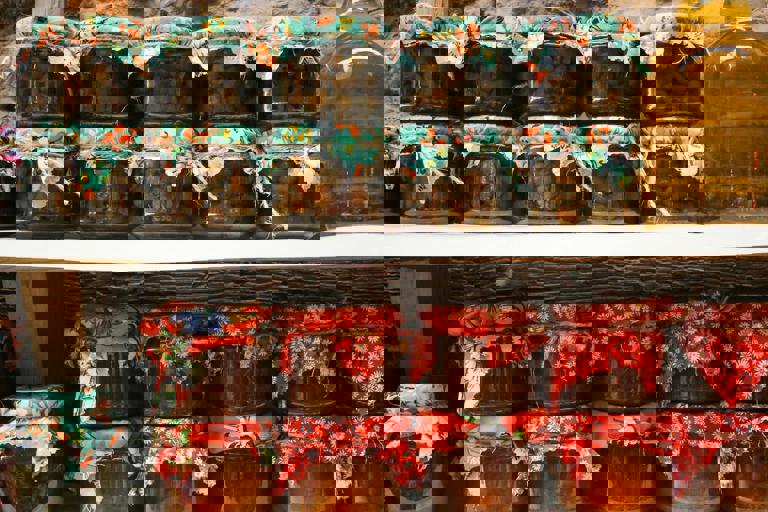
Across Canada, a wave of culinary curiosity is drawing residents to hands-on fermentation workshops, where traditional food preservation meets modern health trends. These interactive classes offer a unique opportunity for participants to immerse themselves in the art of making kimchi, sauerkraut, and kombucha. Fermentation, once a necessity for survival through long winters, has made a significant comeback as both a hobby and a wellness pursuit among Canadians of all ages.
Artisan fermenters leading these workshops have backgrounds that span culinary arts, microbiology, and even holistic nutrition. Many instructors aim to demystify the fermentation process by offering practical demonstrations and scientific explanations. They emphasize that creating fermented foods at home is not only accessible but rewarding. "Anyone can ferment with a few simple ingredients and some patience," says Sarah Morton, an instructor with over a decade of experience in food preservation.
Participants attending these workshops typically begin with foundational lessons focused on understanding the science behind fermentation. Students learn how salt, time, and beneficial bacteria transform humble vegetables into tangy, probiotic-rich superfoods. The workshops stress the importance of cleanliness and proper technique to ensure both safety and flavor in the finished products. Discussions also include the historical roots of fermentation across global cultures.
The popularity of kimchi and sauerkraut reflects a growing appetite for bold flavors and international cuisine. Attendees are often surprised by the versatility of these foods and their integration into daily meals. Instructors encourage experimentation with local produce and spices, fostering a spirit of creativity among home fermenters. According to the Canadian Food Trends report, interest in global flavors continues to rise, with fermented foods at the forefront.
Kombucha, a tangy, fizzy beverage made from fermented tea, has rapidly gained popularity due to its refreshing taste and touted health benefits. Workshop leaders walk beginners through the step-by-step process of brewing, flavoring, and bottling kombucha at home. Topics such as sourcing a starter culture (SCOBY) and troubleshooting common issues are covered in detail. Many classes send participants home with their first batch ready to ferment.
A significant appeal of fermentation workshops lies in the health benefits associated with probiotic foods. Numerous scientific studies suggest that consuming fermented products can improve gut health, bolster the immune system, and potentially aid in digestion. Registered dietitian Louise Chen notes, "Fermented foods can diversify our intestinal microbiota, which is crucial for overall well-being." This message resonates strongly, especially among those seeking natural ways to enhance their diets.
Community is another key element in the surge of fermentation workshop attendance. Classes serve as gathering points for like-minded individuals, fostering connections based on shared interests in health, sustainability, and food heritage. Many organizers report that participants often form informal networks after classes, exchanging recipes, troubleshooting tips, and starter cultures. These relationships add a social dimension that extends well beyond the classroom.
As Canadians become more environmentally conscious, fermentation is recognized for its sustainability benefits. By preserving surplus produce through age-old techniques, home fermenters reduce food waste while supporting local agriculture. Workshops frequently highlight the environmental impact of fermentation, with some instructors incorporating lessons on seasonal eating and zero-waste kitchen practices, aligning with broader ecological movements across the country.
In response to rising demand, a growing number of cultural centers, community kitchens, and even local breweries are hosting fermentation workshops. Classes are tailored for a spectrum of experience levels, from absolute beginners to seasoned fermenters seeking to refine their craft. Specialized sessions for families and children have also emerged, ensuring that knowledge of these traditional techniques is passed on to future generations.
Looking ahead, the momentum behind fermentation workshops shows no sign of slowing. With greater awareness of health, sustainability, and culinary innovation, Canadians are eager to embrace these ancient practices in contemporary kitchens. Whether savoring a jar of homemade sauerkraut or sharing a bottle of homebrewed kombucha with friends, participants are not only preserving food—they're also cultivating community and wellness one batch at a time.